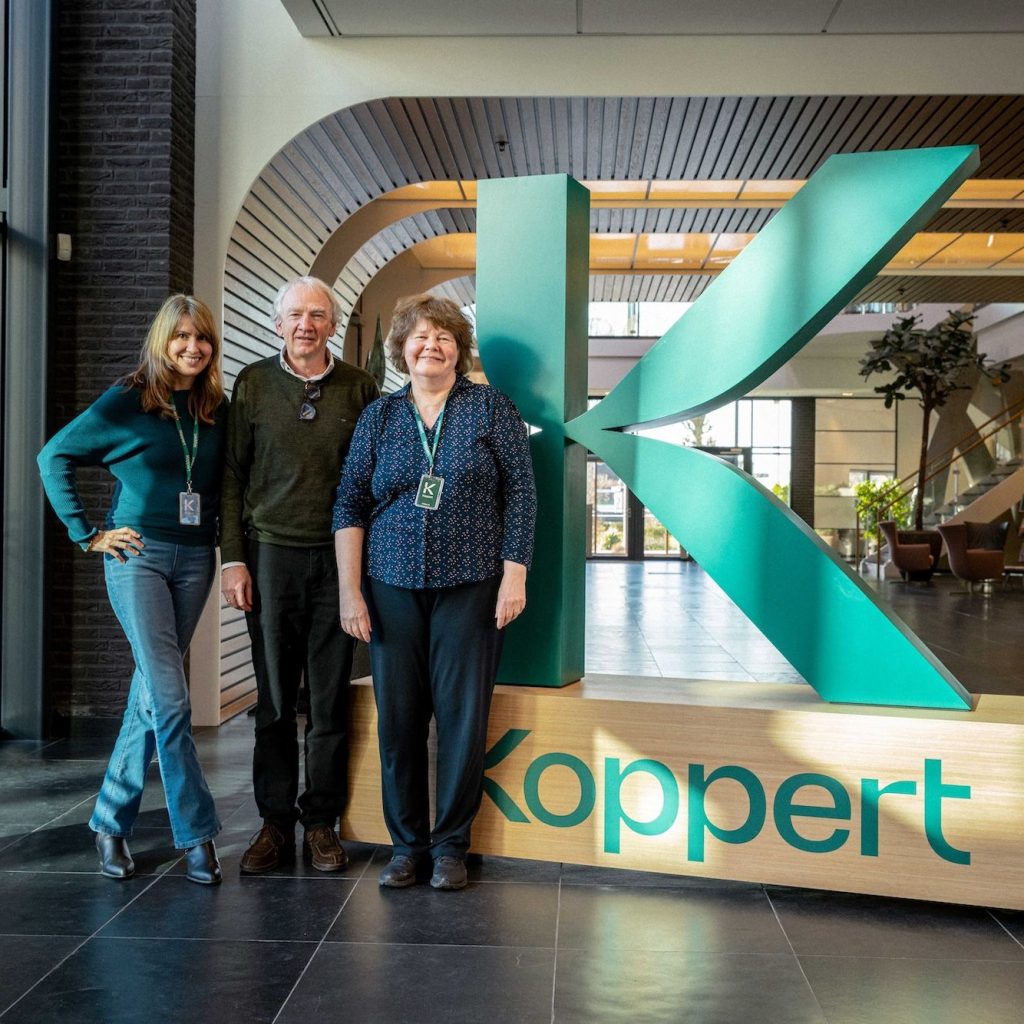
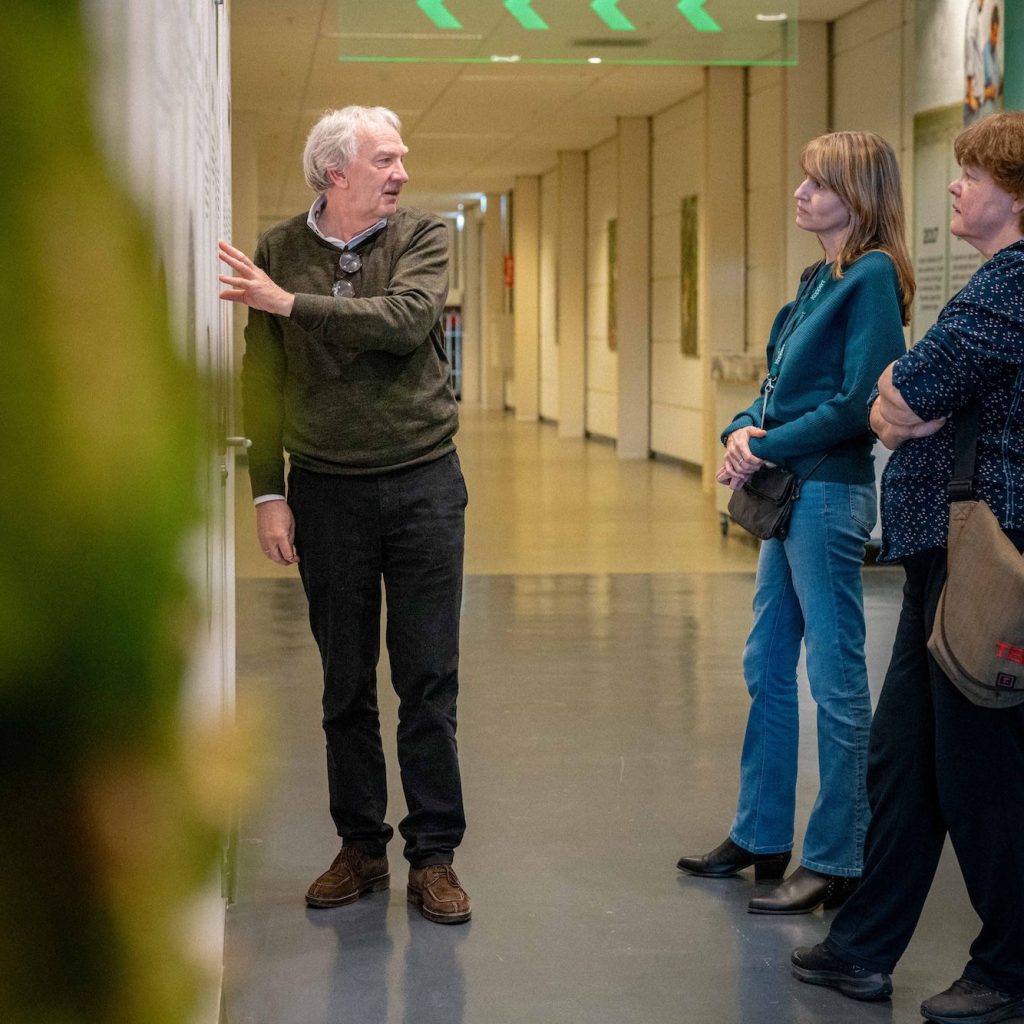
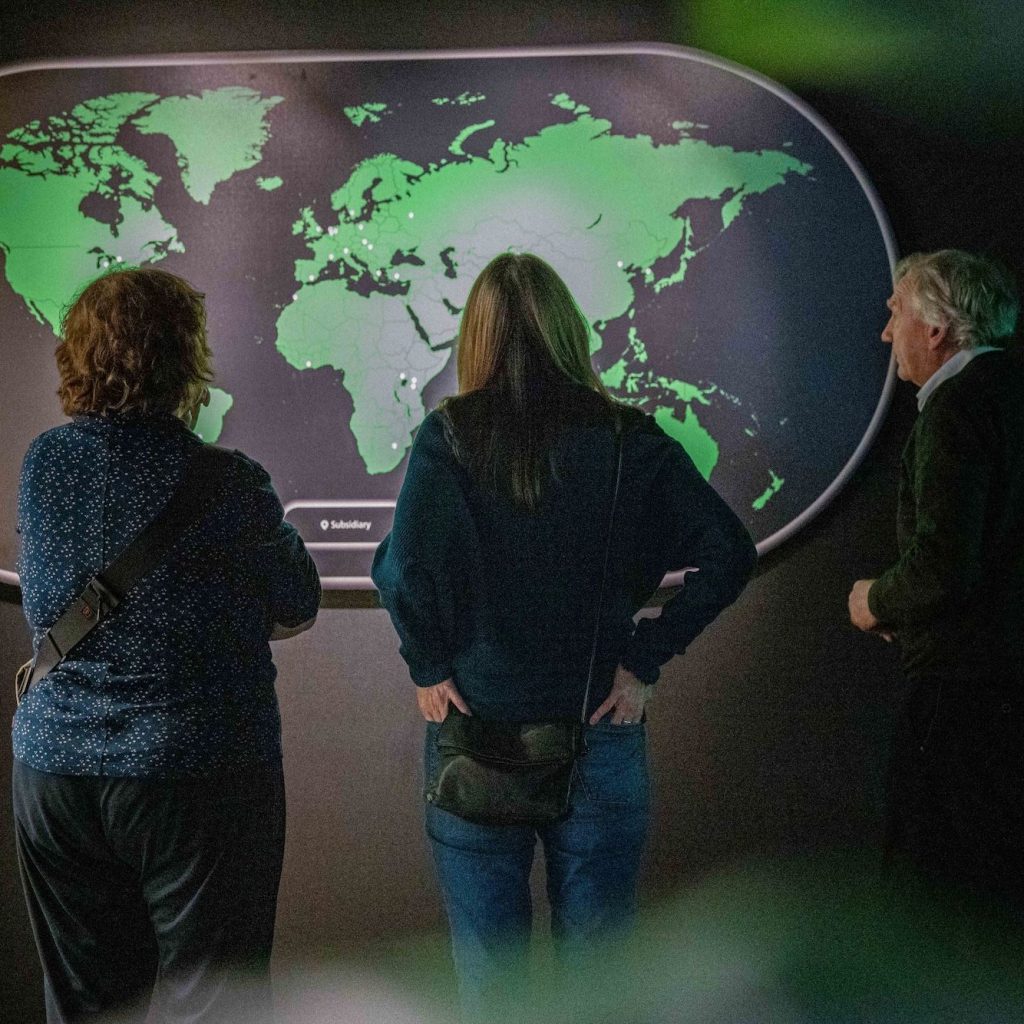
Carolyn Steel and Sarah Luiz
From roots to future: exploring the food system with Carolyn Steel and Sarah Luiz.
This week we kicked off a new Eatthis In Residency with Carolyn Steel, author and architect, and Sarah Luiz. What a start it was.
Carolyn reminds us that food is not just a commodity, but the foundation of our existence. Sarah challenges us to bring the human back into innovation and technology. Two perspectives that could not be more relevant for the future of our food systems.
Over two days we explored how history, technology, people and design come together in the Dutch horticulture ecosystem.
Understanding the roots of innovation
We began where every transformation should begin: with our roots.
At the Westlands Museum we explored the history of greenhouse horticulture and the evolution of innovation in the region. Understanding where a system comes from is essential if we want to shape where it is going.
As Sarah reflected:
“Working with startups, our focus is always on the future. But understanding the evolution of innovation is essential if we want to create real impact.”
From history we moved to practice at Tomatoworld. Our first greenhouse visit of this residency immersed us in the complexity behind something as everyday as a tomato. Biological crop protection, substrates, climate control and system thinking all come together here. Food production reveals itself as a high-tech ecosystem.
During their exploration of Dutch horticulture, Carolyn and Sarah also saw how nature and technology increasingly work together. From bumblebees to beneficial insects, biological solutions are becoming an essential part of sustainable greenhouse production.
As Carolyn later reflected:
“After visiting so many amazing companies and meeting so many interesting people doing such inspiring work, I will never think of Dutch horticulture in the same way again.”
We closed the first day at the World Horti Center, where collaboration is the backbone of progress. From the early auction systems to today’s startup ecosystem, research partnerships and scaling companies — cooperation has shaped this sector for decades.
A powerful first day that showed how innovation is deeply rooted in history, collaboration and place.
From food systems to food cities
The second day brought those reflections into a broader perspective.
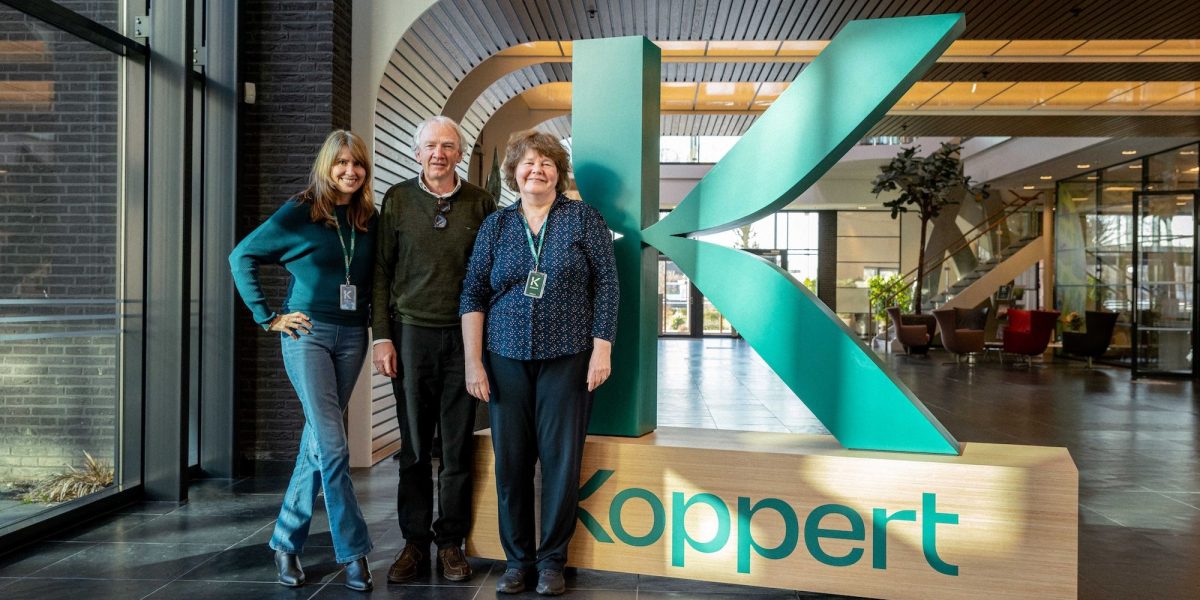
After three years of collaboration, the STARTS Hungry EcoCities project officially came to an end with the Grand Gathering at Koppert Cress. More than 80 guests from architecture, art, food production, policy and research gathered to reflect on three years of collaboration between artists, SMEs and universities on the future of food.
What made this programme unique was exactly that combination of worlds. As Aart Van den Bos and Rodolfo Groenewoud van Vliet reflected during the event: these groups do not naturally work together. It takes time to align, to translate and to understand each other’s language. But once that happens, real value appears.
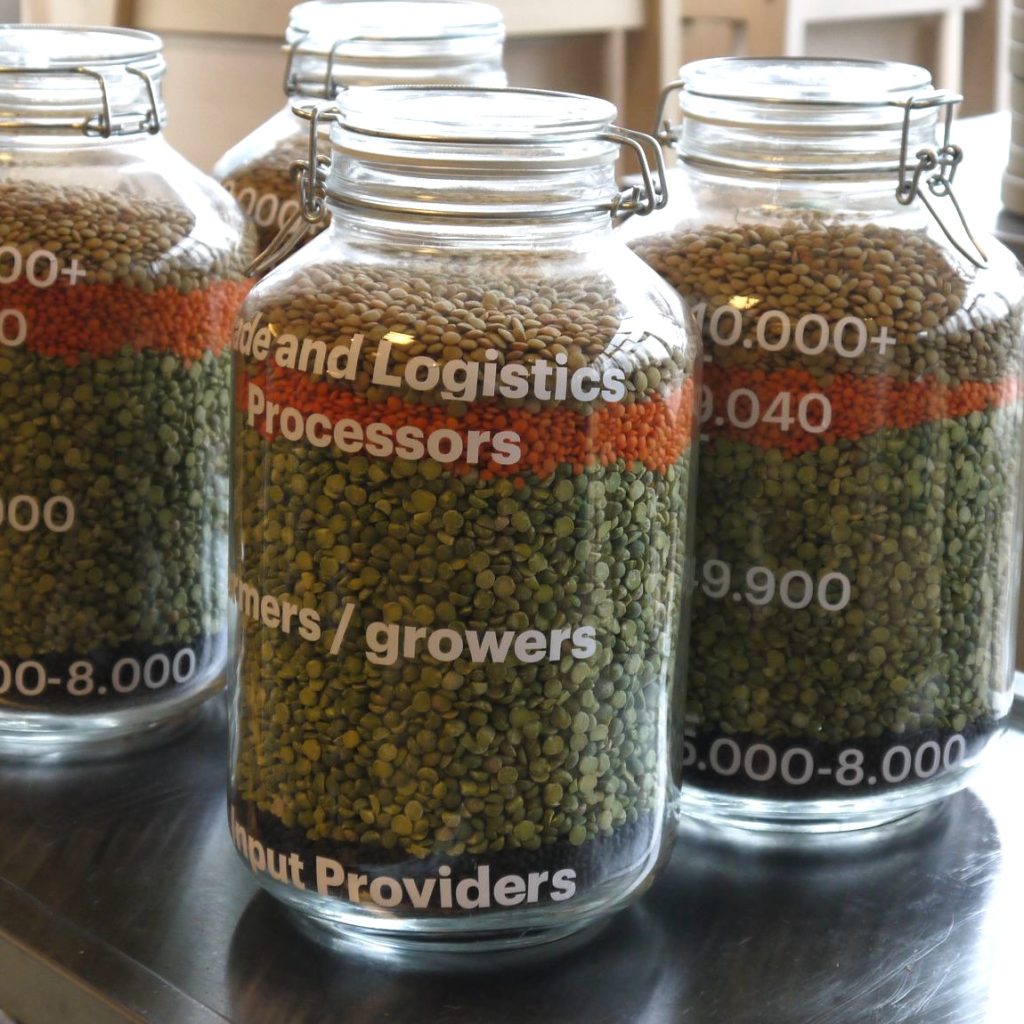
After years of diving into the food system, Stephan wanted to show one thing: its sheer scale. Using perspective — literally — the immense size of global food production and trade was translated into an interactive lunch experience. Architecture met the food system at the table.
Participants then joined in-depth sessions on the projects developed within Hungry EcoCities. Workshops explored initiatives such as Tomato Brain, Resource Society and Vegetable Vendetta — ranging from AI in horticulture to AI-generated vegetable narratives and resource-efficient food production in extreme conditions.
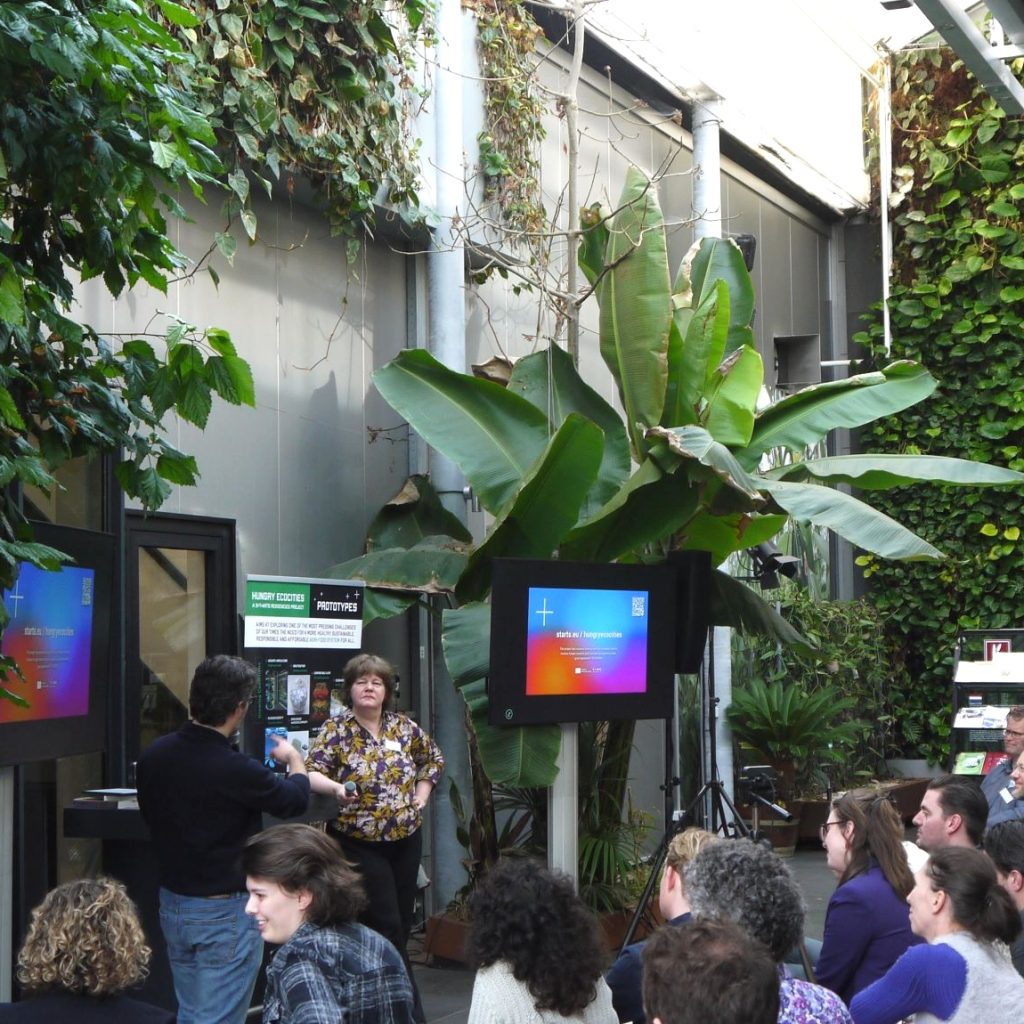
The day concluded with a keynote by Carolyn Steel on food-producing cities and her reflections on Hungry EcoCities. In many ways, it closed a circle: Carolyn’s work has been a key inspiration for the project from the very beginning.
For more than an hour, the room listened in complete focus as she reminded us that:
• The size and structure of cities have always been determined by food and transport.
• Modern urban life has distanced people from their food.
• Industrial food systems hide environmental and social costs.
• Crises often reconnect people to local food and community.
Everything, literally everything, can be brought back to food. Food is our existence.